



Energy Services
Energy Efficiency
Corridor Energy Cooperative supports the efficient use of energy by providing information and guidance on energy efficiency equipment and helpful tips.
Get Started & Save
Review these resources that provides information to help you better understand your energy use and explore practical ways to use electricity efficiently. It highlights energy-saving tips, usage evaluation tools, beneficial electrification, and energy efficient electric appliance information and rebates for your home or small business.
What Is Beneficial Electrification?
Beneficial electrification is electricity use that would otherwise be powered by fossil fuels (natural gas, diesel, propane, fuel oil or gasoline) where doing so has a benefit to consumers or the environment.
Smart Electrification, Not All-or-Nothing
Promoting electrification doesn’t mean electrifying everything. In fact, some of the most effective solutions use more than one energy source. A great example is a hybrid heat pump system. These systems use efficient electric heating during mild winter conditions and switch to natural gas or propane during the coldest days. The result is greater flexibility, dependable comfort, and improved overall efficiency—truly the best of both worlds.
Other examples of beneficial electrification that are growing in popularity include electric vehicles, electric mowers, electric snowblowers, electric bicycles and heat pump water heaters.
Upgrade and Save
Ready to improve your home’s heating and cooling system? You can save energy and money. Take advantage of available rebates and get cash back when you upgrade to qualifying high-efficiency equipment.
Four Pillars of Beneficial Electrification:
To be considered beneficial, a product or service must meet one of the four pillars below without harming the other three.
- Saves money for electricity consumers and providers.
- Reduces environmental impacts.
- Creates greater grid flexibility and resiliency.
- Improves quality of life for member-consumers and their communities.
Corridor Energy Cooperative will continue to promote energy efficiency along with beneficial electrification to help our members, communities, and the environment.
Learn more about air-source & ground-source heat pumps.
An electric heat pump is the most energy-efficient home heating and cooling option available today – providing heating equal to three times the amount of electricity consumed. Switching from a traditional gas-fueled furnace to an electric heat pump system can significantly improve your home’s energy efficiency, reduce your energy consumption and help you save money on your utilities.
An electric heat pump serves a dual purpose – replacing your furnace and air conditioner by functioning as your home’s primary heating and cooling system. There are two types to consider:
- Air-source heat pumps work by transferring heat between the inside of your house and the outside air. Whether you’re upgrading to something more efficient or replacing a worn-out furnace or air conditioner, you’ll find that air source heat pumps are an economical choice that provide year-round savings.
- Ground-source heat pumps take advantage of the earth’s constant temperature by circulating a water-based solution through pipes buried in the ground. This method of heating and cooling your home is environmentally friendly, reliable, quiet, comfortable, cost effective and the most energy efficient available.
Enjoy the benefits of going electric.
The cost to heat your home represents nearly half of your home’s total energy consumption. Upgrade from your gas furnace to an electric heat pump and you’ll improve your energy efficiency – and enjoy a variety of other benefits as well.
- Stay comfortable all year long: Enjoy stable, reliable heating and cooling year-round – saving energy while leaving the thermostat set right where your family likes it.
- Heat your home safely: Eliminate carbon monoxide risk and rest easy knowing your heat pump produces no harmful emissions.
- Save money: Reduce your utility bill by lowering the amount of electricity you use to heat your home by up to 40 percent – and qualify for immediate rebates on qualifying equipment.
Consider a Heat Pump water heater.
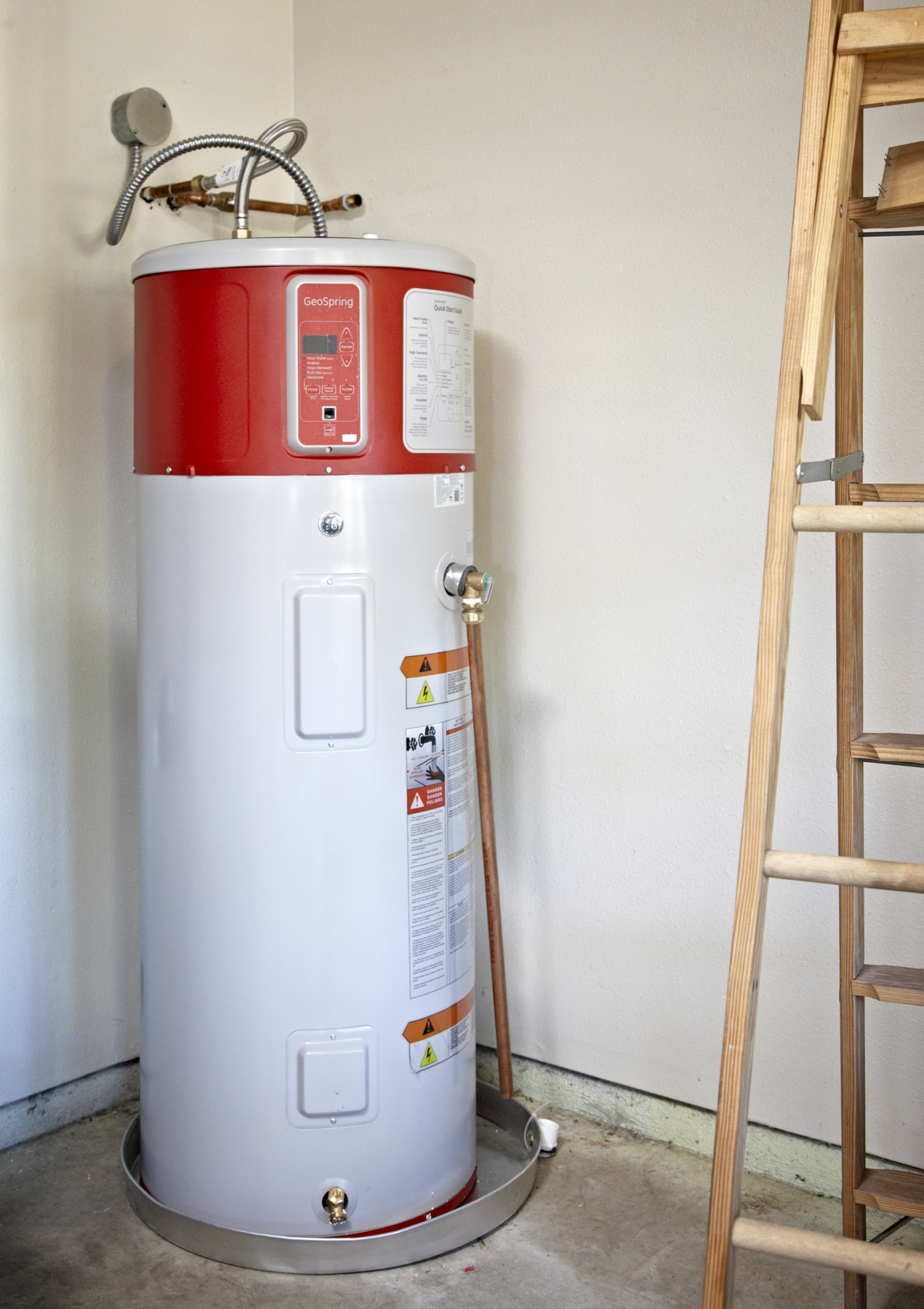
In most homes, the cost of water heating is second only to the overall heating and cooling expense. Replace your inefficient unit with an efficient Heat Pump water heater to save money on your home’s utility bill. In fact, they can be 2 to 3 times more energy efficient than conventional water heaters.
Consider a Heat Pump clothes dryer.
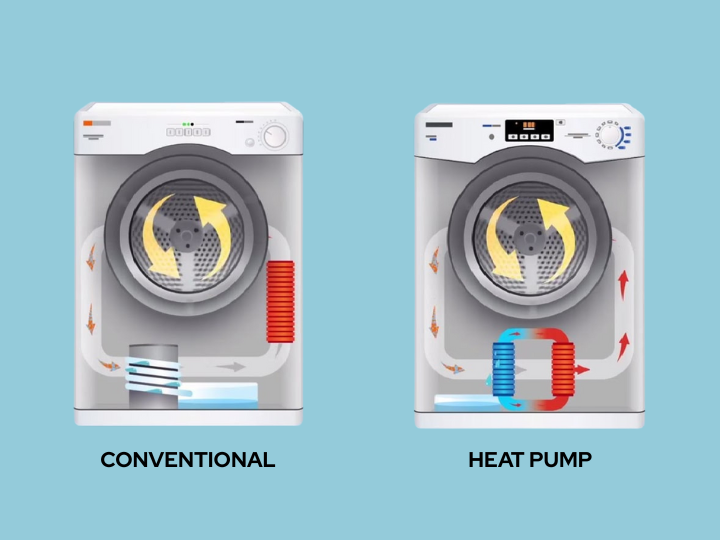
For even more savings, consider ENERGY STAR certified heat pump dryers – they can save 20-60 percent more than conventional clothes dryers. All heat pump dryers meet the criteria for ENERGY STAR Most Efficient.
A heat pump dryer works as a closed loop system by heating the air and using it to remove moisture from the clothes, then reusing it once the moisture is removed. Rather than releasing moist air through a dryer vent to the exterior of the home as a conventional dryer does, a heat pump dryer passes humid air in the dryer drum through a condenser to remove the moisture without losing too much heat. The condensed moisture (water) from the drum is drained or emptied out of a holding tank in the dryer.
Energy Saving Tips
There are lots of simple ways to take control of your energy use.
With a few changes, you can lower your bill and make the most of our Time-of-Day rate. Try these easy, energy-saving tips to get started.
Smart Plugs & Timers
The use of timers on items such as an electric water heater, electric/battery operated lawn equipment and pool pump can help reduce your usage during peak times. Installing timers on equipment to not run during the peak times will also lower your bill as the peak time or On-Peak rates is $0.15700 per kWh (4:01pm-10:00pm) compared to the off peak times; Off-Peak rate is $0.11450 per kWh (5:01am-4:00pm) and Super Saver rate is $0.05000 per kWh (10:01pm-5:00am).
SmartHub
- Using SmartHub is a great way to track your usage to see when you are using the most electricity and if during peak times (4:01pm – 10:00pm), how behavioral changes can help you save money. Moving controlable behaviors such as laundry, dishwasher, dehumidifiers away from the peak times will help reduce your bill.
- Smart Hub Time of Day Usage
Appliances
- When replacing appliances, purchase ones that are ENERGY STAR rated.
- Use the delay function on your dishwasher and laundry to have them start after 10pm if doing evening chores.
- Washing clothes in cold water will save money and can also increase the lifespan of your clothes.
Heating and Cooling
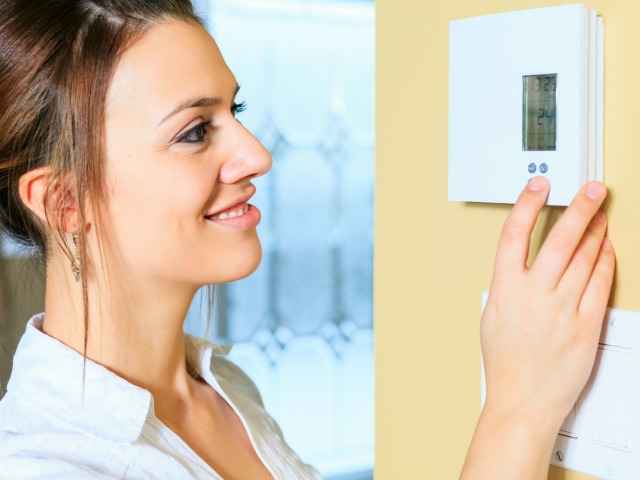
- Install a programmable thermostat. By turning your thermostat back 10 – 15% for 8 hours, you can save as much as 5% to 10% on your heating and cooling costs per year. This is beneficial for members who have natural gas/LP heat and an air conditioner for cooling. Members who have electric heat such as a ground-source or air-source heat pump, it is more cost effective to pick a temperature during the winter months and keep your thermostat at that set temperature. (*Ground-source heat pumps it is recommended to find a comfort setting for winter and summer and keep it the same all year long.)
- Replace your furnace filter once a month. Failing to replace a filter can make your furnace and central air conditioner run harder and reduce its operating efficiency.
- Servicing your HVAC equipment annually will help prolong the life of the equipment and could potentially find any issues before they become a bigger issue.
- DIY tip – take your garden hose and use a soft to medium spray to clean your outdoor Heat Pump or AC unit monthly. This will remove any dust, pollen, leaves, or anything else that can get in between the fins. Just be careful to not damage the fins.
- Precooling your house can help save during the peak times. Precooling a house can be an effective way to reduce energy consumption and lower electric bills. By cooling the home prior to the On-Peak Rate (4:01pm-10:00pm), homeowners can reduce the amount of energy needed to keep the house comfortable throughout the On-Peak Rate.
- Add additional attic insulation. Upgrading from 3 inches to 12 inches can cut heating costs by 20 percent, and cooling costs by 10 percent.
- Upgrade your heating and cooling system to a heat pump.
Insulation
- Depending on the age of your home, you may need more insulation in the attic space. It is recommended to have a minimum of R-48 of insulation in your attic.
- Adding insulation can;
- Keep your room temperatures stable.
- Save money on heating and cooling your home while increasing your home’s energy efficiency.
- Extend the life of your HVAC equipment.
- Help control air leakage.
Landscaping
- Plant trees or shrubs to shade your air conditioning unit without blocking the airflow. A unit operating in the shade can use as much as 10% less electricity than the same one operating in the sun. Download Your Road Map to Selecting and Planting Trees.
- Carefully positioned trees can save up to 25% of a typical household’s energy used for heating and cooling. Just 3 properly placed trees around the house can save an average household between $100 and $250 in heating and cooling energy costs annually.
Top 10 Energy-Saving Tips
- These basic tips will help you conserve energy and help reduce your utility bills.
- Energy-Saving Tips
Lighting
- Install LED lighting. It can save up to 75% of the electricity of standard lighting and will last years instead of months.
- Install occupancy sensors or motion sensor lights. Theses devices operate by turning off lights when a room or space is unoccupied and turn on when motion is detected in the room or space. This eliminates lights being left on when no one is in the room.
Energy Evaluation Program
See how well your home is saving you energy or if there areas for improvement.
Corridor Energy Cooperative’s Energy Evaluation Program offers a convenient virtual assessment to help you better understand how energy is used in your home. The program provides personalized recommendations and practical steps you can take to improve your home’s energy efficiency and lower your monthly bills.
Members can complete the Residential Energy Usage Evaluation, and our Member Services staff will review your energy usage to identify potential savings opportunities.
For those looking for general information, the Self-Assessment option is a great way to learn more about your home’s overall efficiency. It includes guidance on building standards and simple improvements you can make to create a more comfortable, energy-efficient home.
Residential Energy Usage
Fill out the Energy Evaluation Form completely and to the best of your knowledge. For members that do not have internet access, please contact our office to request one.
Residential Energy Usage Evaluation – for members who would like Corridor Energy Cooperative to review their submission.
Self Assessment
Self Assessment – this printable version is for members who are completing a self-assessment of their home. Corridor Energy Cooperative will not be notified.
Resources
Please Note: These guides are provided for informational purposes only. Results should be used as a guideline and should not be interpreted as an accurate measure of electrical usage. If you have any questions regarding this information or your account, please contact Member Services.
For energy efficiency videos see our You Tube Energy Efficiency Playlist.
View Your Usage
Did you know that you can view your energy usage from your desktop or mobile device? Through detailed graphs on our SmartHub app, you can monitor your daily consumption 24/7 and see how it is trending over time. You can even download your data into a spreadsheet file with the easy green button feature.
Once downloaded, select Corridor Energy Cooperative as your electric provider and use the same username and password that you use from your desktop computer or create an account.