


Outage Center
Reliability
Corridor Energy Cooperative has several programs in place to monitor and improve the reliability of electric service to our members.
Inspection and Maintenance Programs
Corridor Energy Cooperative submits a reliability plan to the Iowa Utilities Board that reflects our commitment to delivering safe, reliable, and affordable electric service to our members.
This plan outlines the programs we use to help prevent service interruptions, maintain and upgrade our electrical system, and perform ongoing preventative maintenance to keep our facilities operating at their best.
Vegetation Management
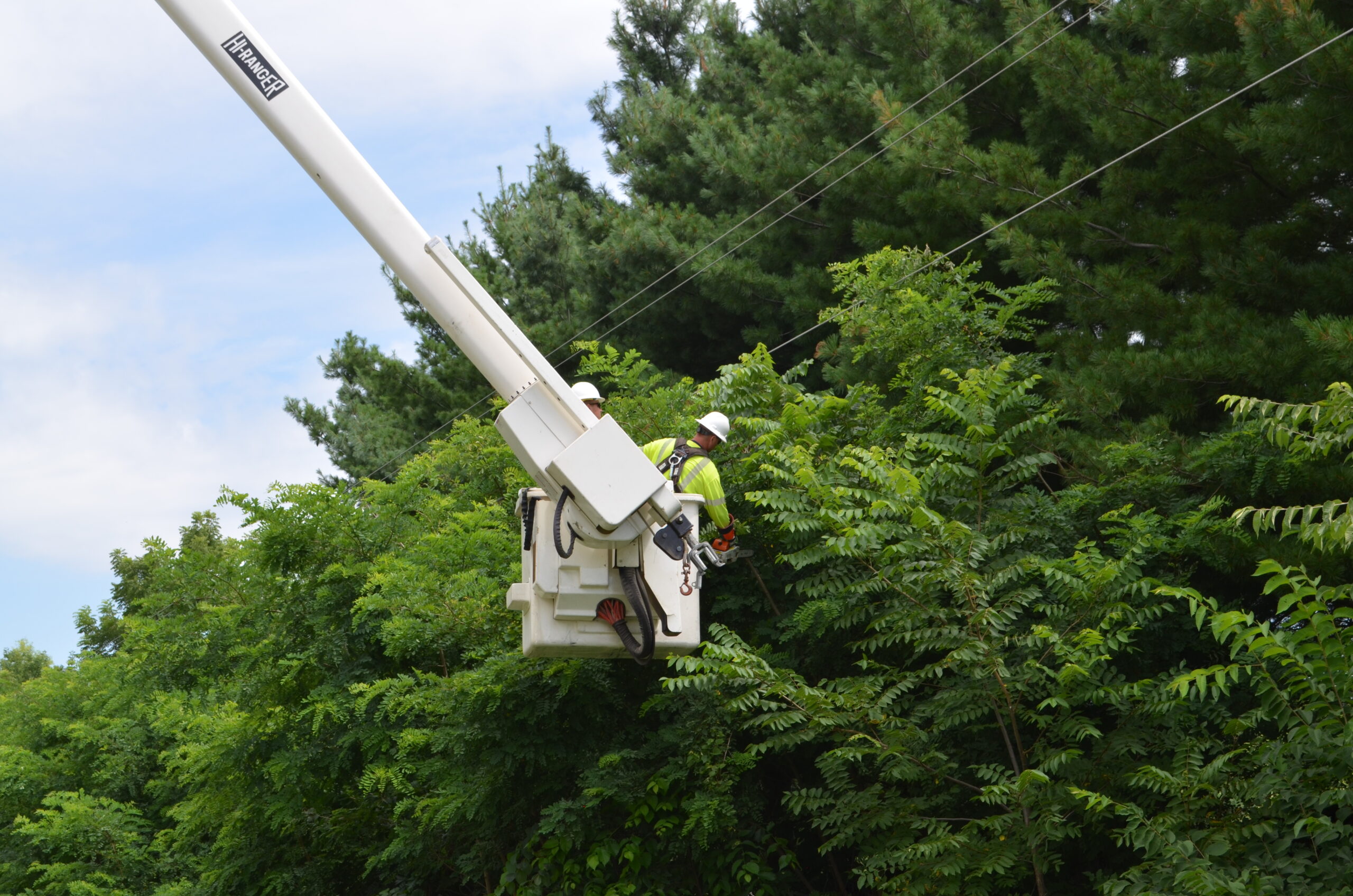
Trees and limbs that come in contact with power lines can cause numerous problems including outages, fires and endanger children climbing trees. Storms and winds can also cause branches to rub on power lines causing blinking lights in your home or business. To protect our lines and keep power flowing safely to your home, Corridor Energy Cooperative has a year round program that maintains our right-of-way (ROW).
A right-of-way (ROW) refers to a strip of land underneath or around power lines that Corridor Energy Cooperative has the right and responsibility to maintain and clear. Specifications can vary, but a general guideline of maintaining a safe ROW is 15 feet of clearance on either side of the primary conductors and 20 feet of overhead clearance above the highest wire on the pole.
We outsource our ROW maintenance to Asplundh Tree Expert Company and Midwest Spray Team. Our tree trimming and removal program keeps tree limbs and other obstacles away from high-voltage power lines. It’s an important part of the service we provide to our members for three reasons: safety, reliability and cost.
Safety
Our primary concern is the safety of our workers and members. ROW clearing keeps your family safe by ensuring that tree branches do not become energized due to close contact with a power line. Be mindful when around trees close to power lines, and make sure your children know that climbing trees near power lines is extremely dangerous. Properly maintained ROW keeps our crews safe when they are restoring service and maintaining our system.
Reliability
If severe weather occurs, a well maintained ROW leads to fewer outages and a faster response time. Trees are less of a threat. When trees do fall, crews are able to restore service more quickly than they could with poorly maintained areas.
Cost
Corridor Energy Cooperative strives to keep costs affordable. Maintaining our ROW is an important part of controlling costs. Fewer and shorter outages saves money for everyone. Outsourcing our ROW maintenance is another way for us to keep costs low. These companies are specialized and are able to access equipment that Corridor Energy Cooperative can’t without significant costs.
Application
Please contact Corridor Energy Cooperative before you trim or remove trees near any power service or line. If you would like to report a tree that needs trimmed, please contact our Operations Department.
Line, Substation, & Pole Inspections
Corridor Energy Cooperative’s detailed line inspection program includes the inspection of all overhead electric lines over a 7-year period and underground cables inspected over an 8-year period. In addition to the detailed line inspection every 7 years, Corridor Energy Cooperative crews complete a drive-by inspection of the entire system annually.
Overhead
Corridor Energy Cooperative inspects approximately 14% of the overhead system each year. The areas to be inspected are recorded on system maps that are set up by map areas.
A detailed inspection is made on a pole by pole basis to check the condition of the pole and pole top assemblies. The lines are also checked to make sure they meet the requirements of the National Electrical Safety Code.
Underground
At the present time Corridor Energy Cooperative has approximately 668 miles of underground cable installed on its distribution system.
In addition to regular outage records, a map is maintained to track underground faults. These records, along with the system outage records, are used to schedule underground cable replacement projects.
Substation Inspection
Corridor Energy Cooperative owns and operates 31 distribution substations.
Each substation is inspected once a month and a substation report is completed. Our Operations Department reviews the substation report and maintenance is scheduled as required.
The monthly substation inspection includes a visual inspection for each piece of equipment within the substation and the exterior of the substation.
Pole Inspection and Treatment Schedules
Corridor Energy Cooperative has a line pole inspection scheduled on a 7-year cycle. The inspections are done on an area basis with all of our poles, within a given area, being inspected each year.
The program consists of a complete inspection of the poles, ground line testing of treated poles and reporting rejected poles that are to be replaced.
Corridor Energy Cooperative hires a contractor to complete its pole inspections. Corridor Energy Cooperative crews also report poles that must be replaced as the poles are found. We do not treat poles.
The contractor is asked to provide a special note for poles that should receive immediate attention. Immediate attention poles are replaced within a week. Other rejected poles are generally replaced within twelve months. Corridor Energy Cooperative maintains a database of all the pole test results.
Meter Testing
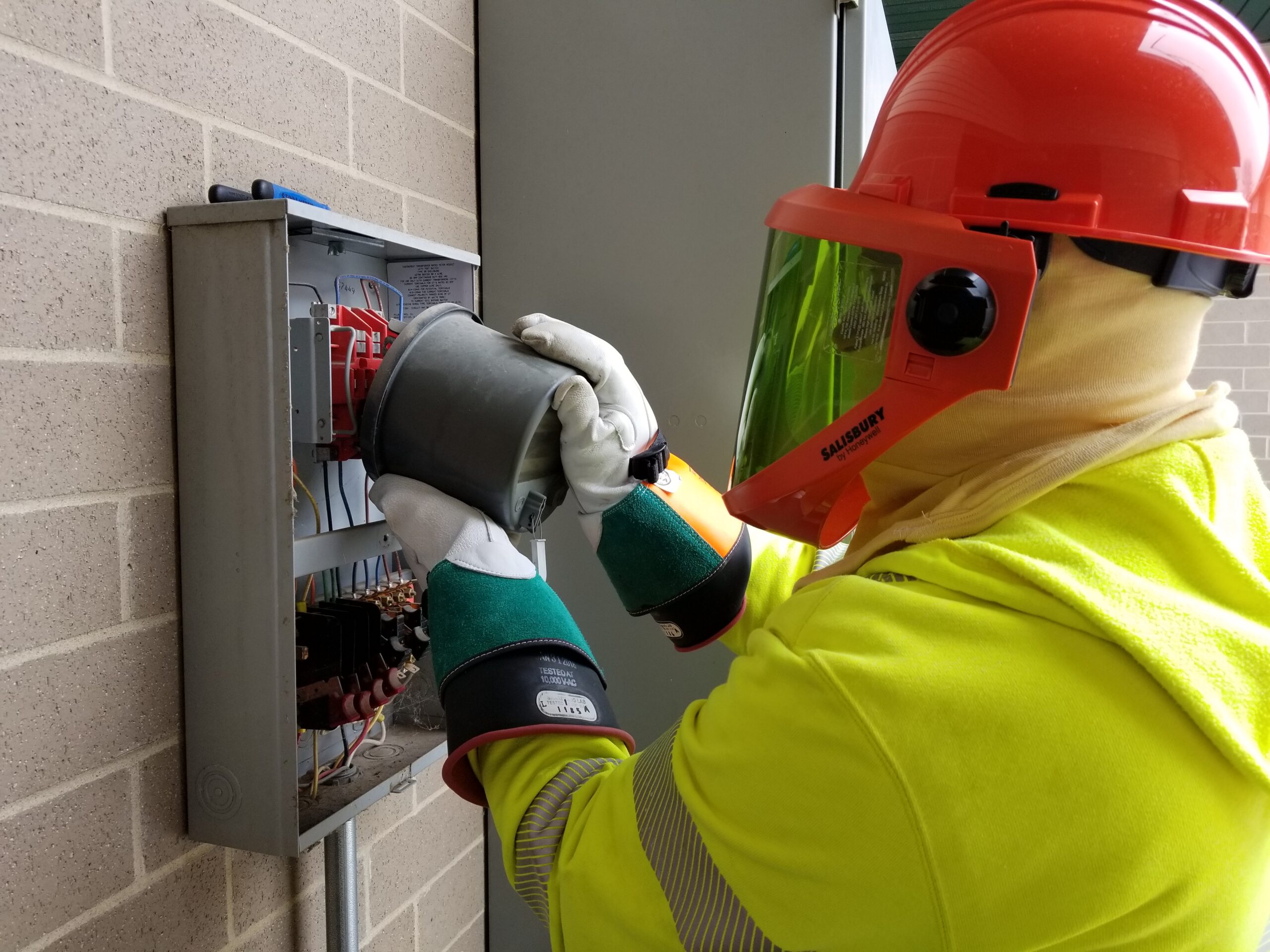
Corridor Energy Cooperative will test watt-hour meters for accuracy and physical condition. All meters and associated devices will be tested within 180 days after they are removed from service. Such tests will be made before the meters and associated devices are adjusted, repaired, returned to active service, or retired.
Accuracy Standards
All watt-hour meters must be accurate to within plus or minus 2% at full and light load. Demand meters shall be accurate to within 1.5%. Watt-hour meters failing to meet such standard will be replaced.
Testing of New and In-Service Meters
The Cooperative will sample test new meters to ascertain if they meet the required accuracy limits. For routine in-service tests, the Cooperative may remove the meter for testing at the Cooperative’s meter shop and replace it with another tested meter or the meter may be tested on site.
Request a Test
Upon request by a member-consumer, the Cooperative will test the meter servicing that member-consumer, except that such tests will not be made more frequently than once in 18 months.
A written report of the test results will be mailed to the customer within 10 days of the completed test and a record of each test shall be kept on file at the Cooperative’s office. Corridor Energy Cooperative will give the member-consumer or a representative of the member-consumer the opportunity to be present while the test is conducted.
If the test finds the meter is accurate within the limit accepted by Corridor Energy Cooperative in its meter inspection and testing program, Corridor Energy Cooperative may charge the member-consumer $25 or the cost of conducting the test, whichever is less. The member-consumer will be advised of any potential charge before the meter is removed for testing.
Testing Schedule and Methods
Corridor Energy Cooperative’s meter testing schedule and method is based on the type of meter form and the level of load being metered and can be found in the following tables. For meters tested using a statistical sampling method, the statistical sampling shall be in compliance with ANSI ASQ Z1.4-2008 as described in ANSI C12.1-2008. Corridor Energy Cooperative’s test boards are tested every twelve months on a Master Standard.
Lightning Strike Mitigation Program
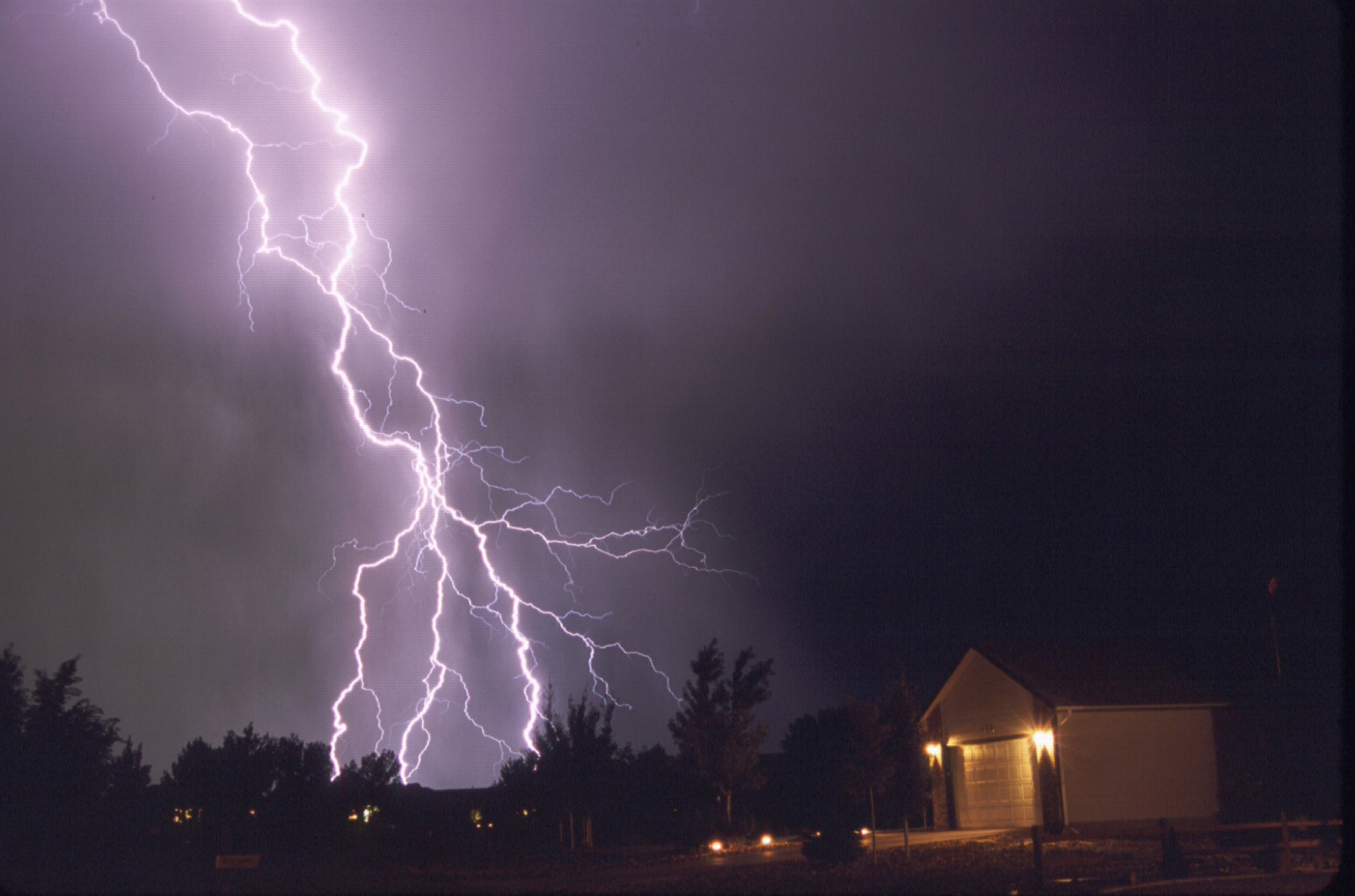
Weather can change quickly, and severe storms often bring lightning that can cause unexpected power outages. To help reduce these outages, Corridor Energy Cooperative has a lightning protection program in place.
We install lightning arrestors on new equipment and throughout our system to help protect lines, transformers, and substations. These devices help limit the impact of lightning strikes, allowing us to keep power more reliable for our members.
Animal Contact Reduction Program
Squirrels, raccoons, and birds can all cause outages when they come into contact with energized equipment on a pole or inside a substation. When this happens, it can result in a full power outage or momentary blinks in your home or business.
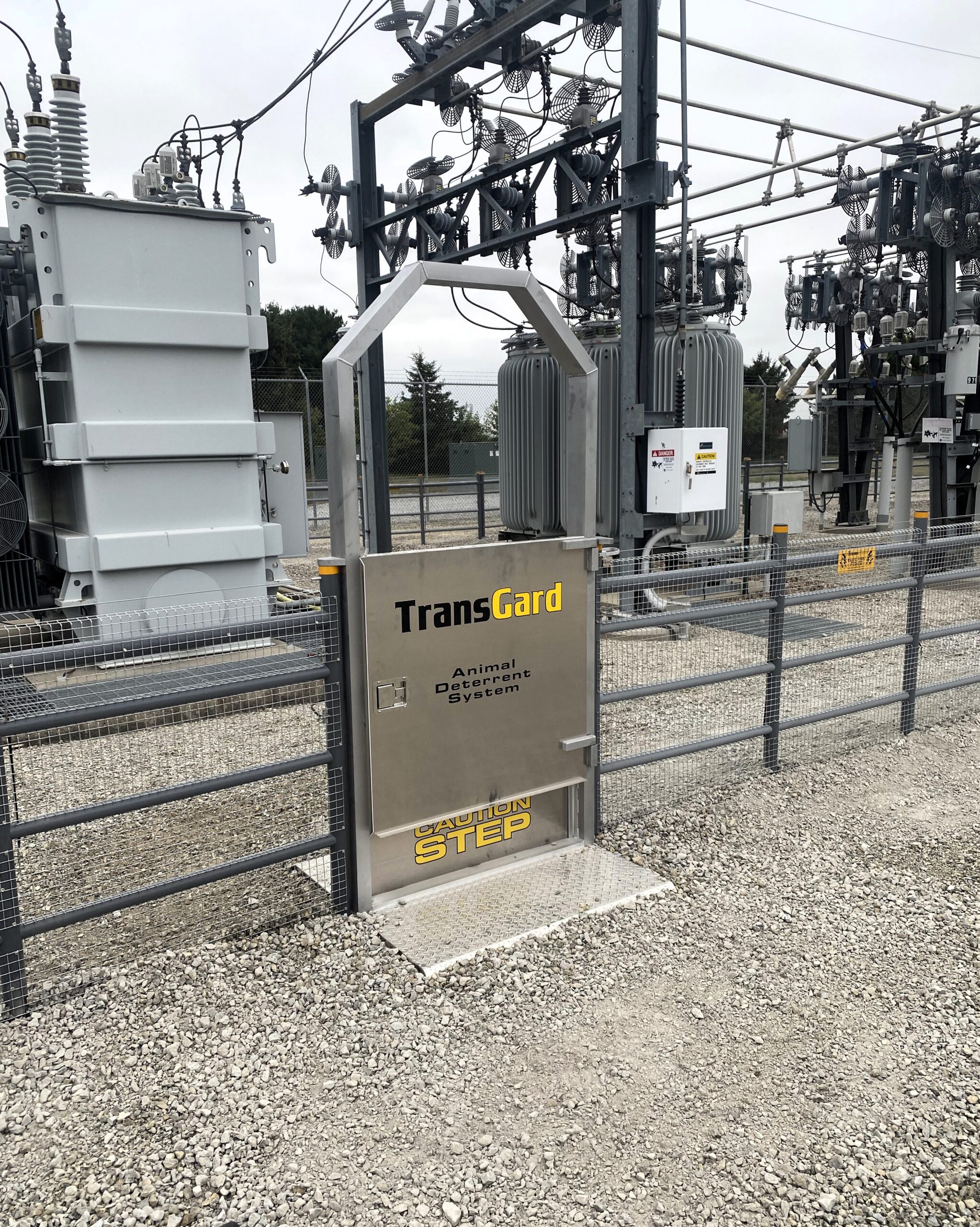
To reduce these incidents, Corridor Energy Cooperative has implemented an animal contact reduction program across all substations. This initiative builds on our ongoing efforts to minimize outages caused by wildlife.
Wildlife guards are included in substation design and installed at strategic points throughout the substation. Additional guards are added at substations and overhead transformers where animal-related outages occur more often. Every new overhead transformer is equipped with a wildlife guard before installation, and where needed, tin flashing is added to poles to help prevent animals from climbing.
Planned Interruption Notification Program
Planned outages allow our team to work safely while making essential repairs and upgrades to the system. Completing this work proactively helps ensure dependable service for everyone. Members who will be affected are always notified in advance.

Supervisory Control and Data Acquisition (SCADA)
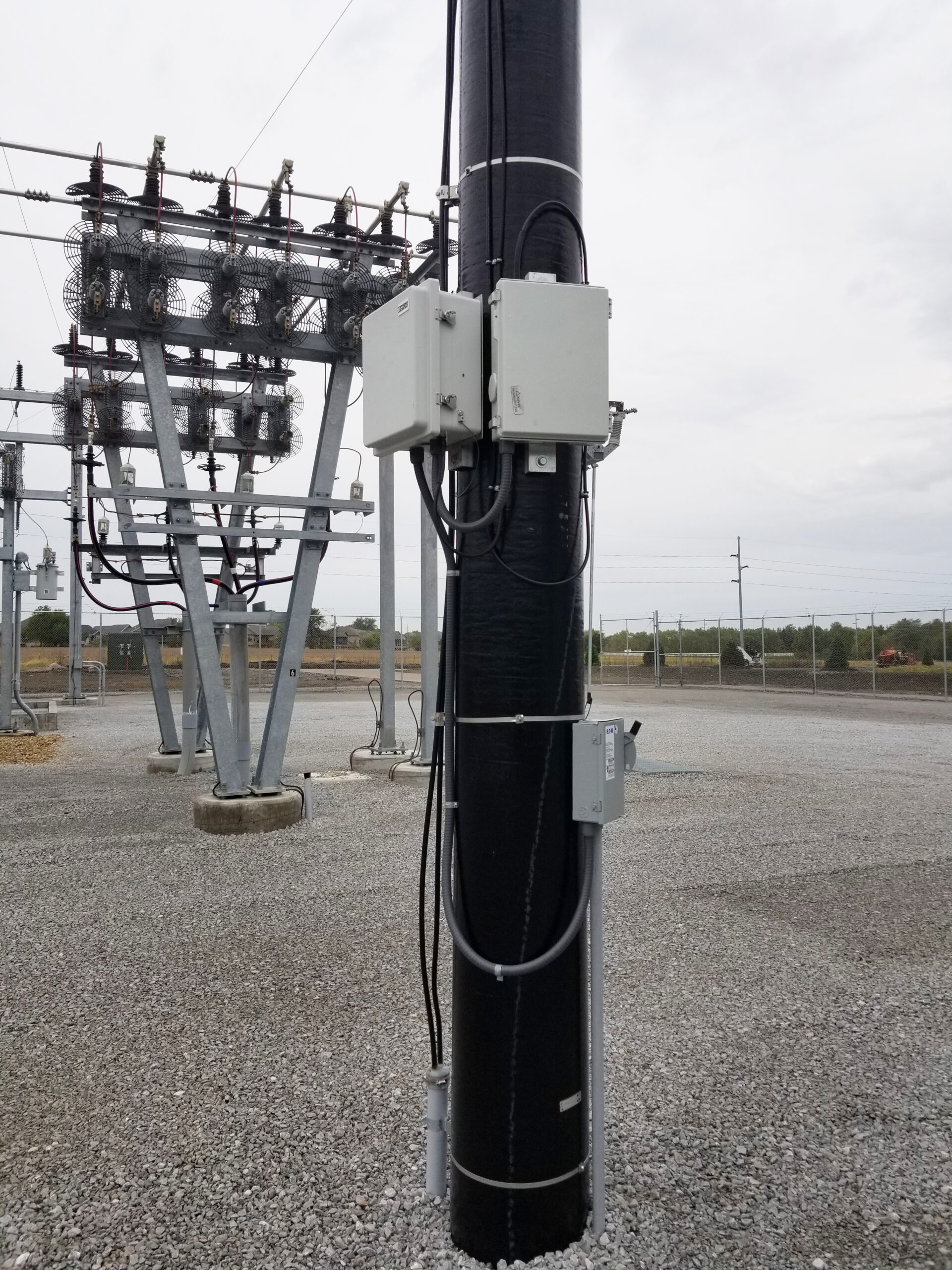
SCADA enhances reliability by delivering real-time information that helps us identify and address potential issues before they become problems. It continuously monitors control points across our entire distribution system to keep power flowing safely and efficiently.
Our SCADA system provides:
- Accurate voltage and current data for all substations
- Immediate alerts to staff when voltage levels move outside normal operating ranges
- Automated load switching to alternate substations during transmission outages, reducing outage time and preventing additional interruptions
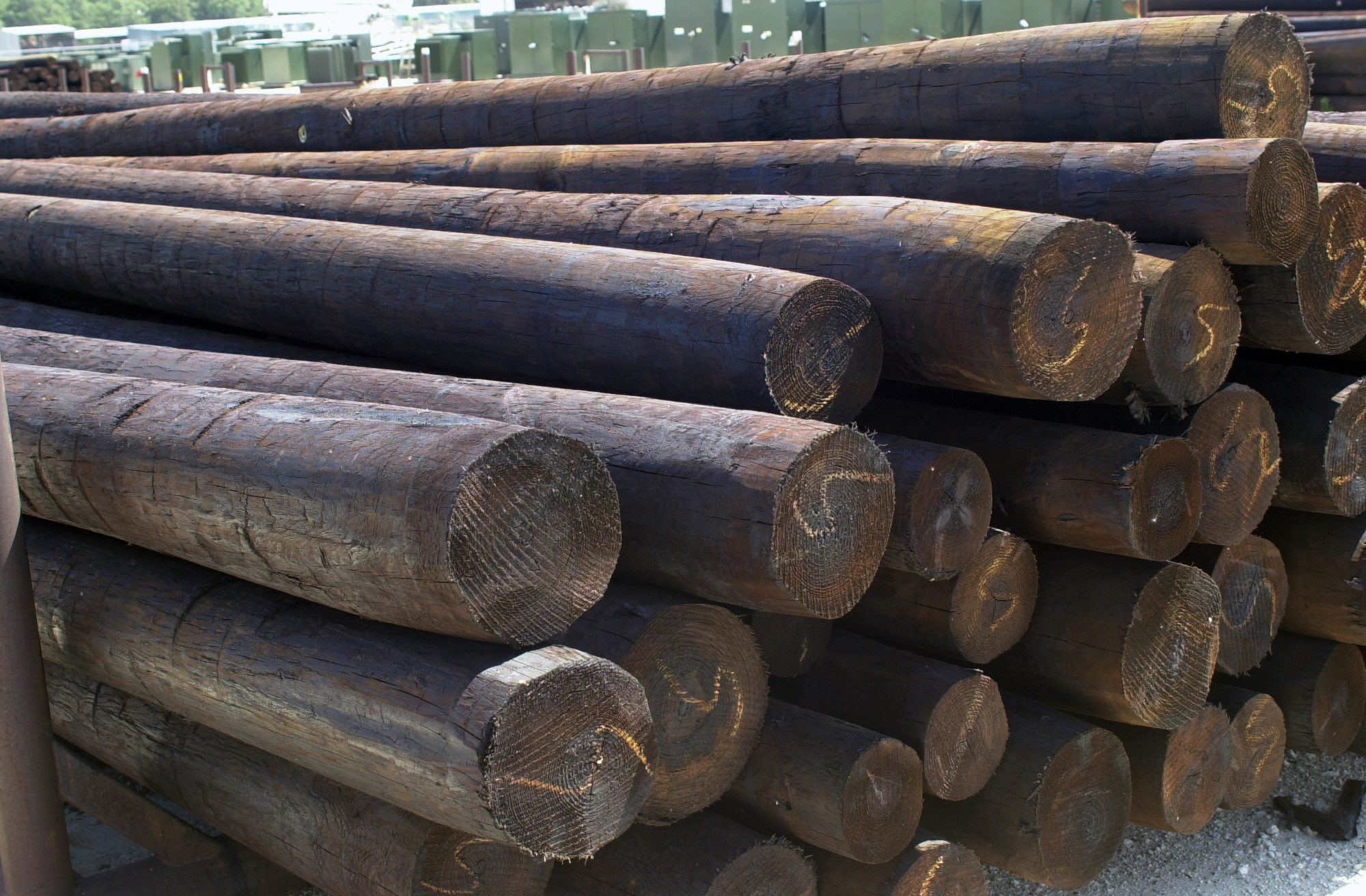
Old Poles
When an old wood pole is taken out of service it is no longer able to support the weight of an overhead wire. When these poles come back to our pole yard they are made available to members, at no cost, under the following circumstances:
- Pole lengths will be 12 foot or less.
- Poles must be loaded by the member. A forklift operator will be available by appointment only.
- Poles are picked up during regular office hours.
- Sign and receive a copy of the pole release form.
Please contact warehouse personnel for availability/scheduling.