



Community & Safety
Electrical Safety Tips
Our commitment to safety extends to our customers, our employees and to the communities we serve.
Stay Safe Around Electricity
Electricity is very powerful and can be dangerous if used improperly. Contact us with safety questions and concerns.
Home Generators
- Improperly installed emergency power generators can expose your family to carbon monoxide poisoning and our crews to severe injury – or even death.
- Never connect a generator directly to your home’s wiring unless your home has been wired for generator use. This can cause back feeding along power lines and electrocute anyone coming in contact with them, including line workers making repairs. Have a licensed electrician install the equipment necessary to safely connect emergency generators to your home.
- Operate generators outdoors and away from open windows, vents or doors to eliminate exposure to hazardous fumes.
- Store gasoline and other flammable liquids outside and away from heat and electrical sources.
- Never refuel while the generator is running. To minimize the danger of fire, turn it off and let it cool at least 10 minutes.
- Install carbon monoxide alarms with battery backup in the home, outside each sleeping area.
Holiday Safety Tips
- Use only holiday lights that have been safety tested and have the UL label.
- Check each light strand for broken sockets, frayed cords, or faulty plugs; and always be sure to unplug the lights when replacing a bulb.
- Don’t string together more than three standard-size sets of lights or you could risk overheating the circuit.
- Match plugs with outlets. Don’t force a three-pronged plug into a two-pronged outlet or extension cord, or remove the third prong.
- Always unplug lights before going to bed or leaving your home.
- Make sure extension cords are in good condition and are UL-approved cords rated to carry the electrical load you will connect to them.
- Also, place fresh-cut trees away from heat sources such as heat registers, fireplaces, radiators, and televisions; and water a fresh-cut tree frequently.
Harvest Safety Tips
- Use a spotter when operating large machinery near lines.
- Inspect the height of farm equipment to determine clearance.
- Look up and use care when moving any equipment such as extending augers or raising the bed of grain trucks around power lines.
- Always set extensions to the lowest setting when moving loads to prevent contact with overhead lines. Grain augers should always be positioned horizontally before being moved.
- Never attempt to move a power line out of the way or raise it for clearance.
- If the machinery you are operating does make contact with a power line, stay on the equipment. Immediately call 911, warn others to stay away, and wait for the utility crew to cut the power.
- Only on the rare occasion that the machinery catches fire should you leave the vehicle after contact is made. If this is the case, jump off the equipment with your feet together and without touching the ground and machinery at the same time. Then, still keeping your feet together, hop to safety as you leave the area. Never touch anything that is in contact with a power line.
Electric & Powerline Safety Tips
Electrical Fire Prevention
- Install ground fault circuit interrupters in areas near water, including bathrooms, kitchens, garages, basements and outdoors.
- Arc fault circuit interrupters should be installed directly in the breaker box to protect against fires caused by arcing faults in home electrical wiring.
- Check the electrical outlets in your home for loose-fitting plugs, broken wall plates and missing or frayed wiring.
- Do not overload outlets with appliances and adapters.
- Cords that are frayed, cracked or broken should be discarded. Avoid running cords under rugs or heavily traveled areas in the home.
- Remember that extension cords are intended for temporary use and should not act as permanent power supplies.
- Avoid using light bulbs that exceed the recommended wattage.
- If an appliance appears to be damaged or broken, or has repeatedly blown a fuse, unplug it and have it repaired or replaced.
- Light switches that feel hot or spark should be immediately turned off and inspected by a qualified electrician.
Source: Safe Electricity
Power Line Safety
- Never climb into trees where power lines run through the limbs.
- Stay clear of overhead and exposed underground electrical lines at all times. Never attempt to repair lines yourself.
- Don’t get near electrical lines when making home improvements such as roofing, painting or replacing siding. Contact us at 319-377-1587 if you need to perform any work around these lines.
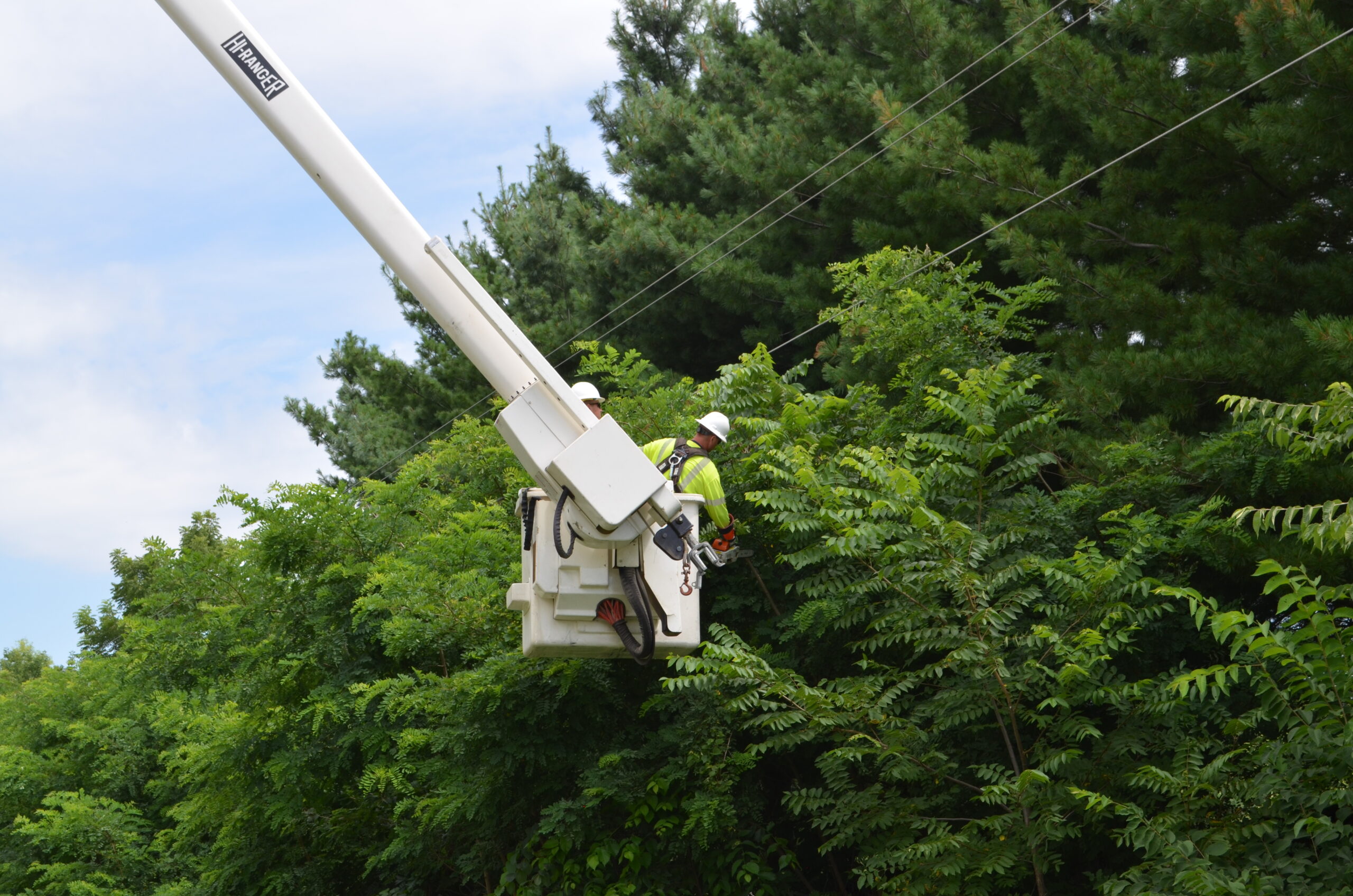
- Trees conduct electricity; avoid contact with them if they are making contact with any part of the electrical distribution system. Call Corridor Energy Cooperative if you have trees touching lines and equipment at your home.
- Never attempt to remove kites, tree limbs or other objects from power lines. Contact us to ensure safe removal.