


Community & Safety
Indoor/ Outdoor Safety
Follow our electrical safety tips at home to protect yourself and your family.
Home Electrical Safety Tips
Many electrical fires can be prevented by following some simple electricity safety tips. Always remember to ask a professional if you’re uncertain about the safety of an electrical outlet or appliance.
Indoor Safety
- Don’t use electrical appliances around wet areas like bathtubs or sinks.
- Dry your hands before using electrical appliances.
- Keep electric heaters on level surfaces and 6-8 feet from furniture, curtains and drapes.
Wires/Fuses/Outlets
- Use childproof covers for outlets.
- Only insert electrical plugs into outlets.
- Inspect electrical/extension cords for wear and tear.
- Flickering lights, unusual smells and power interruptions could be signs that there is a problem – check all appliances and panels.
- The third prong on extension cords is a safety feature designed to reduce the risk of electrocution or shock and should never be bent back or removed.
Heating
- Have a licensed, qualified heating technician maintain your furnace or heating system.
- Change heating system filters to keep air passing through.
- Replace batteries in your smoke detectors and carbon monoxide alarms.
Source: Safe Electricity
Food Safety
If your home’s power is interrupted for two hours or less, losing perishable foods shouldn’t be a concern. When an outage is prolonged, it’s time to decide when to save and when to toss food away. Use these food safety tips to help you minimize food loss and reduce the risk of foodborne illness. And remember the American Red Cross food safety rule: “When in doubt, throw it out.”
- Throw away food that’s been exposed to temperatures above 40 degrees F for two hours or more.
- An unopened refrigerator keeps food cold for about four hours; food in a full freezer stays safe for about 48 hours.
- Refrigerated Food Tips
- Frozen Food Tips
Outdoor
When using electrical equipment or working near power lines outdoors, weather conditions and the presence of utility equipment present safety risks that are not typically found indoors. It’s important to follow these outdoor electrical safety tips and be aware of potential hazards around you.
Transformers
- Although transformer boxes located in the yards of many homes are safe, they can be deadly if someone reaches inside. If you find a transformer box open or damaged, call Corridor Energy Cooperative immediately at 319-377-1587.
- Never climb on or near transformer boxes.
- When planting trees or shrubs, maintain 10 feet of clearance from the front of the transformer and one to three feet on all other sides to allow Corridor Energy access. Maintaining clearance also keeps roots from interfering with underground lines running to the transformer. Please refer to the sticker located on the transformer for clearance guidelines.
Landscaping
- Know what’s below by calling 8-1-1 before you dig, so you don’t make contact with underground lines or transformers. Contact with lines can mean shock, injury or death.
- Look above for power lines and be mindful when using ladders, pool skimmers and other tall objects.
- Stay at least 10 feet from power lines connected to or near your home.
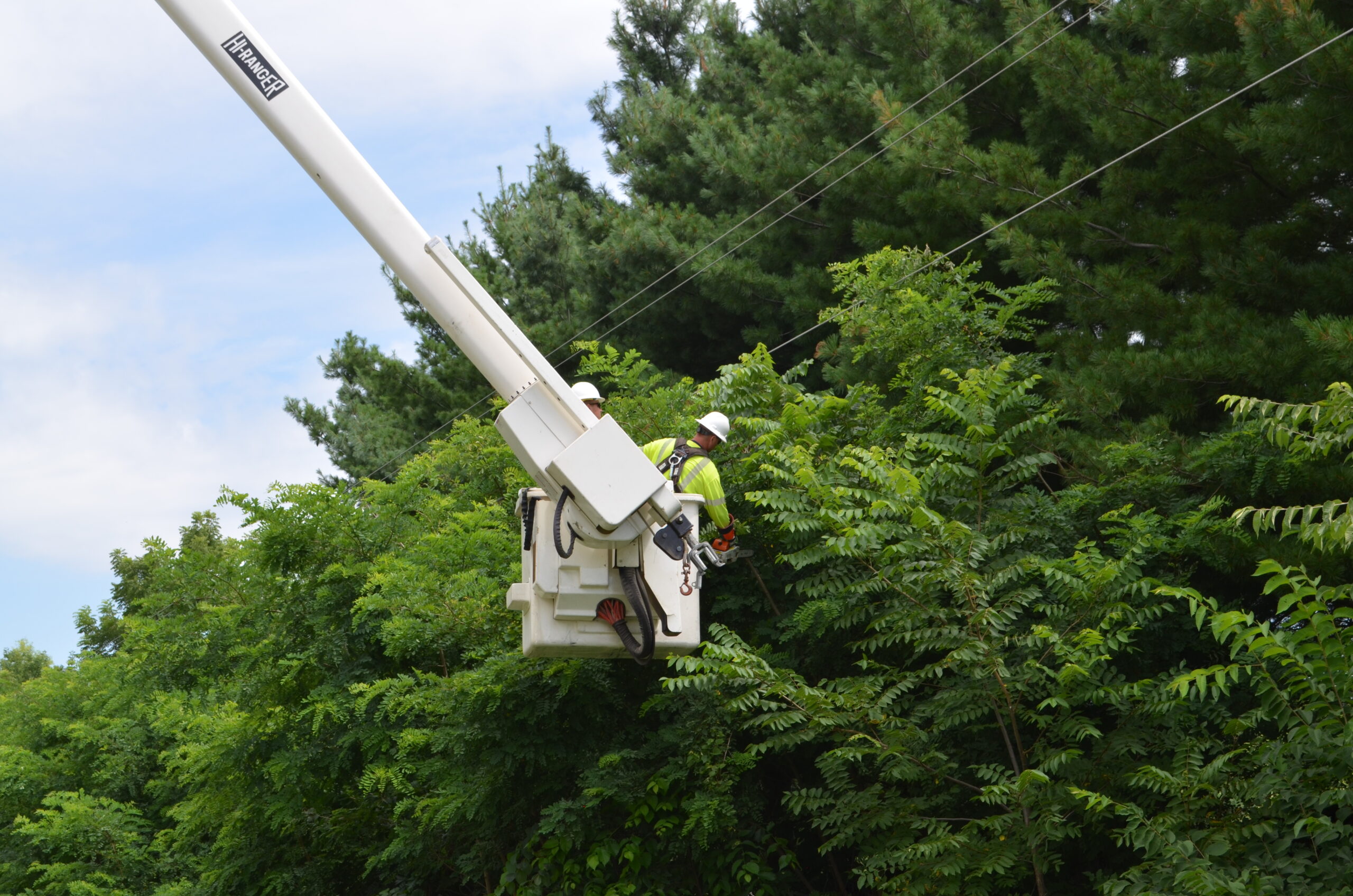
- Never trim trees or bushes near power lines. We have professionals to safely and expertly handle this task.
- Do not use indoor extension cords while performing outdoor work. Only use those rated for outside use.
- Do not use electric equipment or yard tools if it is raining or the ground is wet. Electric equipment should be kept at least 10 feet from wet areas.
- Ensure that your outdoor outlets are equipped with ground fault circuit interrupters. If they are not, have them installed or use a portable GFCI.