



When you think about power outages, you probably picture storms or high winds. But trees, animals and birds are the second-leading cause of unexpected outages on Corridor Energy Cooperative’s electric system, accounting for more than 21% of all unplanned outages.
Birds, squirrels, raccoons, and other animals can come into contact with energized equipment at substations, causing outages that interrupt power to homes and businesses.
Why Wildlife Causes Outages
Substations provide elevated structures that birds often use for nesting. Those nests can attract raccoons and other animals searching for food. When wildlife comes into contact with energized equipment, it can create faults that interrupt electric service and damage electrical equipment.
A Proactive Reliability Investment
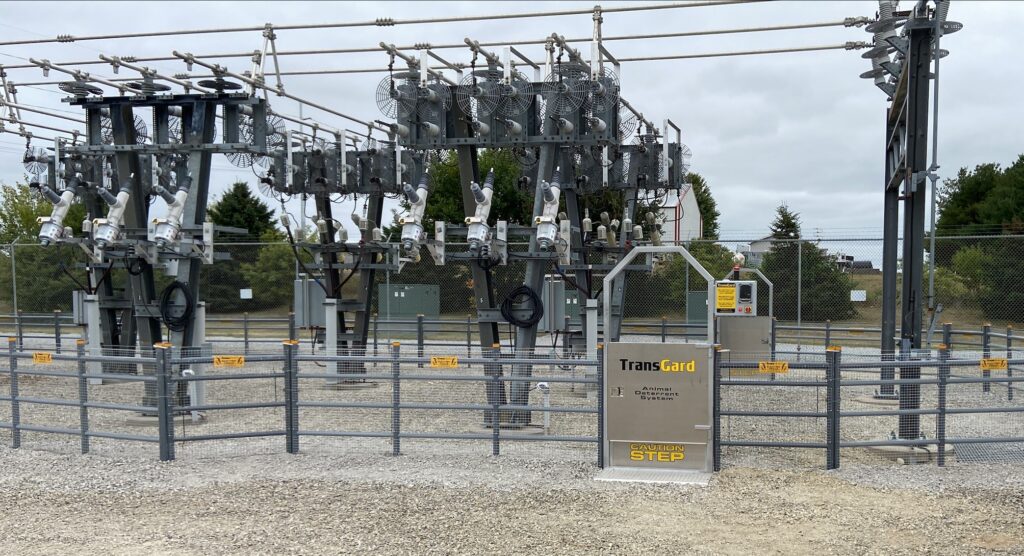
To help reduce the risk of wildlife-related outages, Corridor Energy Cooperative installed TransGard® wildlife exclusion fencing around its Kansas substation, which serves members in portions of North Liberty and Tiffin. The fencing is designed to safely prevent animals from accessing energized equipment while protecting wildlife from harm.
Because the Kansas Substation is served entirely by underground electric lines, wildlife is one of the few remaining causes of unexpected outages at this location. Installing wildlife exclusion fencing is a proactive investment that helps protect critical equipment and reduce the risk of service interruptions before they occur.
Protecting The System Before Problems Occur
Many of the Cooperative’s reliability improvements happen behind the scenes, and that’s exactly the point. Members may never notice projects like wildlife exclusion fencing because their purpose is to prevent outages before they happen.
With animals and birds responsible for more than 21% of unexpected outages on Corridor Energy Cooperative’s electric system, the Cooperative will continue installing wildlife deterrent barriers at substations throughout its service territory. These proactive investments help protect critical equipment, reduce one of the leading causes of unexpected outages, and keep power flowing to the homes, farms, and businesses our members depend on every day.